
The past decade has seen an unprecedented explosion in mobile gaming, with the global market size expected to reach a staggering $128.5 billion by 2025. This figure is a testament to the medium’s ability to innovate and adapt to changing consumer habits. But what’s driving this rapid evolution, and why are gamers flocking to their mobile devices in droves?
The Cloud Gaming Revolution
At the heart of mobile gaming’s growth is the rise of cloud gaming. This technology allows players to access high-quality games on their mobile devices without the need for expensive hardware upgrades. In fact, a recent survey found that 70% of gamers prefer to play games on their mobile devices, citing convenience and portability as the primary reasons. Games like Fortnite and PUBG have pushed the boundaries of mobile gaming, boasting detailed graphics, large-scale multiplayer modes, and regular updates that set a new standard for mobile gaming experiences.
The AI Advantage
Artificial intelligence (AI) has also played a significant role in mobile gaming’s evolution. AI-powered tools enable developers to create more realistic characters, environments, and gameplay mechanics. For example, AI-driven NPCs can now adapt to a player’s behavior, creating a more dynamic and responsive experience. By automating tasks and streamlining the development process, AI has also improved game development efficiency, allowing developers to focus on more creative and innovative aspects of game design.
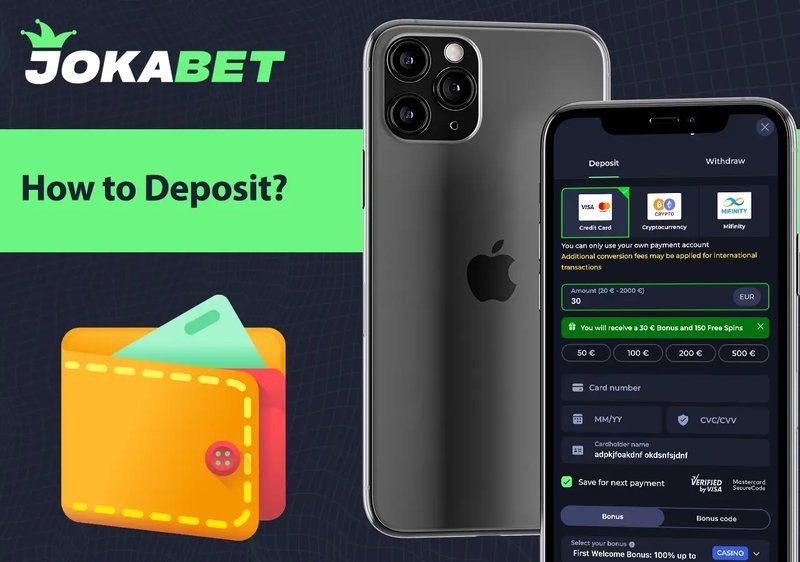
While AI has significantly improved mobile gaming, the rise of online gaming platforms, such as those offering casino-style games and experiences, has also contributed to the industry’s growth. For instance, you can discover the latest jokabet promo code and explore the world of online gaming and entertainment.
Where Gaming Meets Esports
The rise of esports has also contributed to mobile gaming’s growth. With the increasing popularity of competitive gaming, mobile devices have become a staple for many esports enthusiasts. The convenience and accessibility of mobile gaming have made it easier for players to compete and spectate esports events on the go. As a result, many game developers and publishers are now offering esports-focused experiences and revenue streams.
Blurring the Lines between Gaming and Online Entertainment
While mobile gaming has come a long way, it’s worth noting that the lines between gaming and online entertainment are increasingly blurred. Social media platforms now feature games and interactive content that blur the lines between traditional gaming and online entertainment. With the rise of online gaming platforms, players can now access a wide range of games and experiences from the comfort of their own homes. According to a recent study, 60% of online gamers prefer to play games on their mobile devices, citing the convenience and social aspects of online gaming as key factors.
The Future of Mobile Gaming
As mobile gaming continues to evolve, we can expect to see even more innovative technologies and business models emerge. From augmented reality (AR) and virtual reality (VR) experiences to new forms of monetization, the possibilities are endless. With the global mobile gaming market expected to reach new heights, one thing is certain: the future of mobile gaming is bright, and exciting times are ahead for gamers and game developers alike.
In conclusion, the rapid evolution of mobile gaming is a testament to the medium’s ability to innovate and adapt to changing consumer habits. From cloud gaming and AI to esports and online entertainment, the possibilities are endless, and the future of mobile gaming looks brighter than ever.
Frequently Asked Questions
What are the key factors driving the growth of mobile gaming?
The rise of cloud gaming, improved internet connectivity, and the increasing popularity of smartphones are major factors contributing to the growth of mobile gaming.
What is cloud gaming, and how does it impact mobile gaming?
Cloud gaming is a technology that allows players to access high-quality games on their mobile devices without the need for expensive hardware. It streamlines the gaming experience by reducing latency and increasing accessibility.
How does mobile gaming cater to changing consumer habits?
Mobile gaming adapts to changing consumer habits by offering convenient, on-the-go experiences that fit evolving lifestyles and preferences.